We write about Kubernetes operations, cloud-native infrastructure, GitOps workflows, and the real-world lessons we pick up while building and running platforms for our clients. No fluff just the things we wish someone had told us earlier.
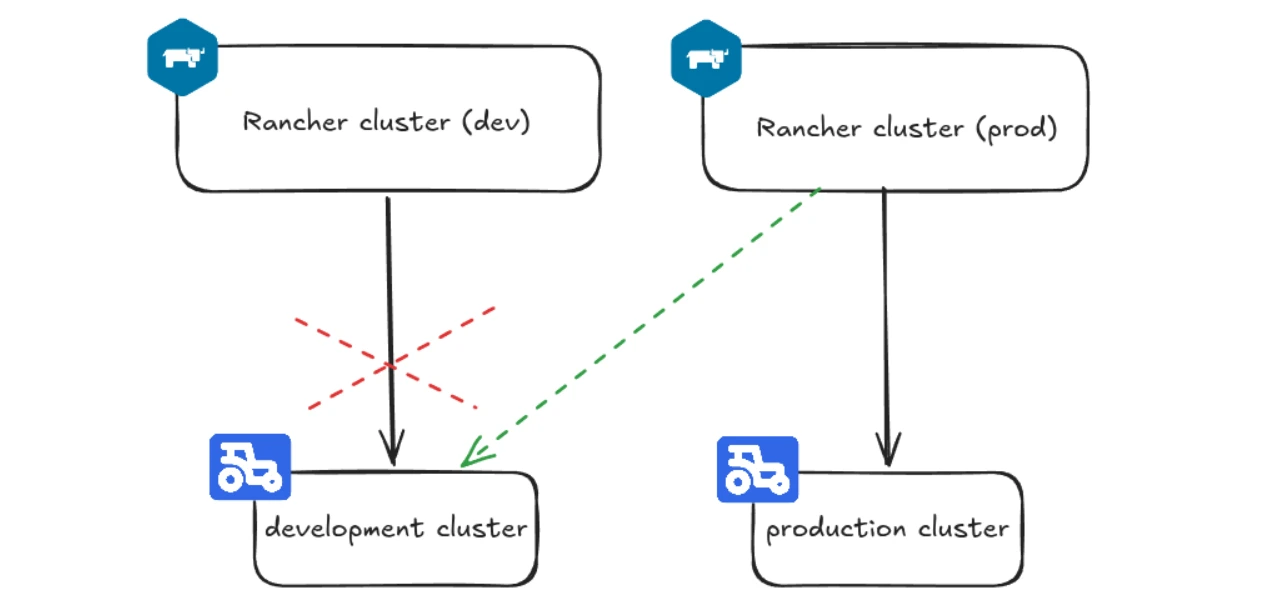
A guide for migrating an RKE2 cluster to different Rancher instance
Read more →
The scaling challenges that surfaced after the RayService migration: log volume from spiky autoscaling, storage exhaustion in Loki and Longhorn, runaway Redis GCS growth, and latency in a cost-optimized multi-cloud setup.
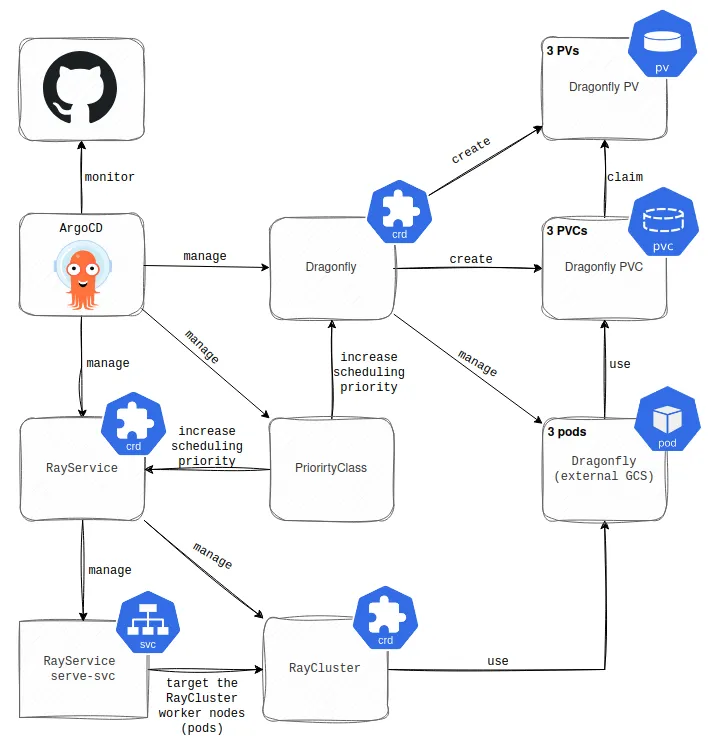
Why we finally migrated from the RayCluster CRD to RayService — and how serveConfigV2, an external GCS on a highly available Dragonfly store, and custom Docker images got us close to zero-downtime AI workloads.
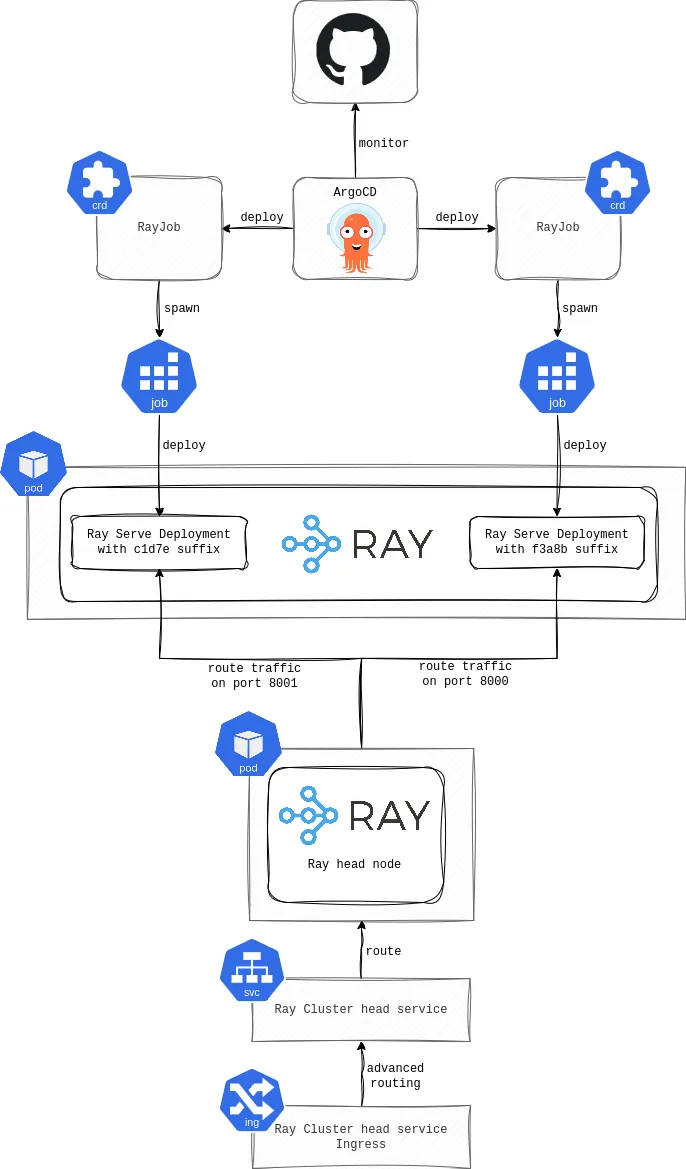
The limitations and pitfalls of running Ray on Kubernetes with the RayCluster CRD: secret management headaches, GPU nodes that couldn't see their GPUs, broken downscaling, and the trade-offs of upgrades and advanced deployments.
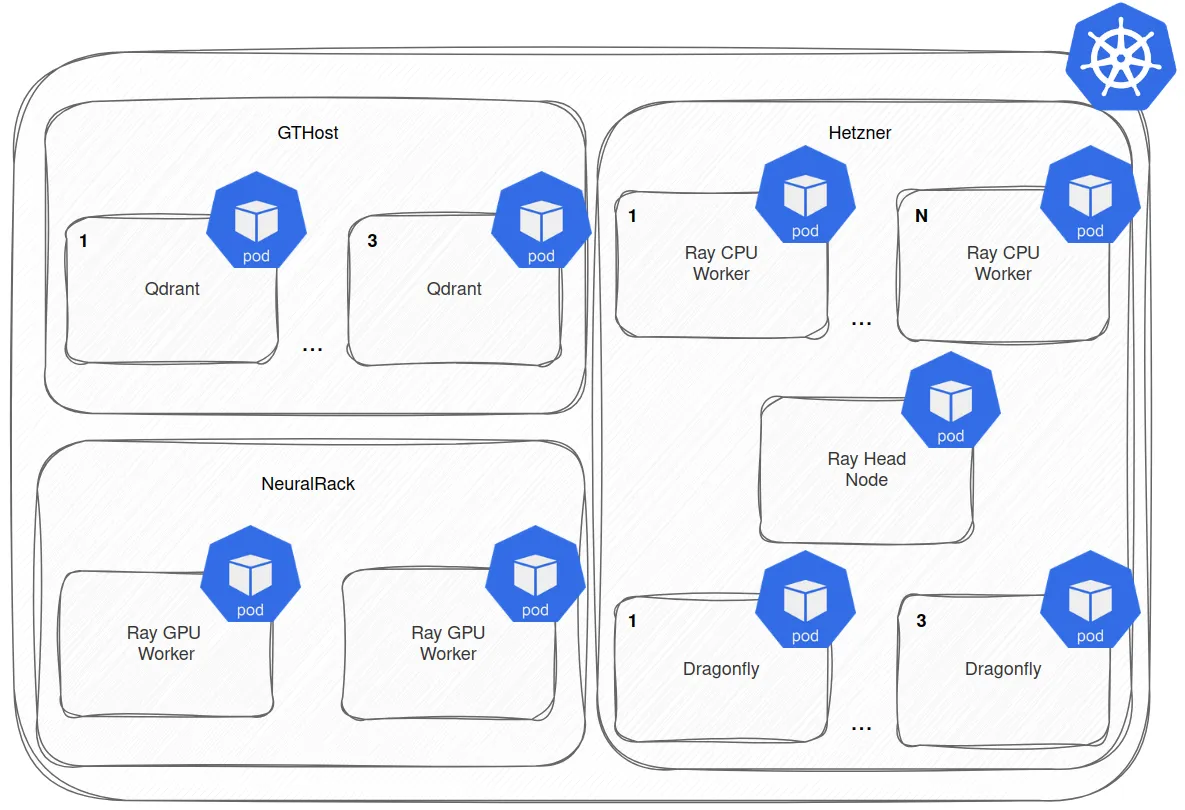
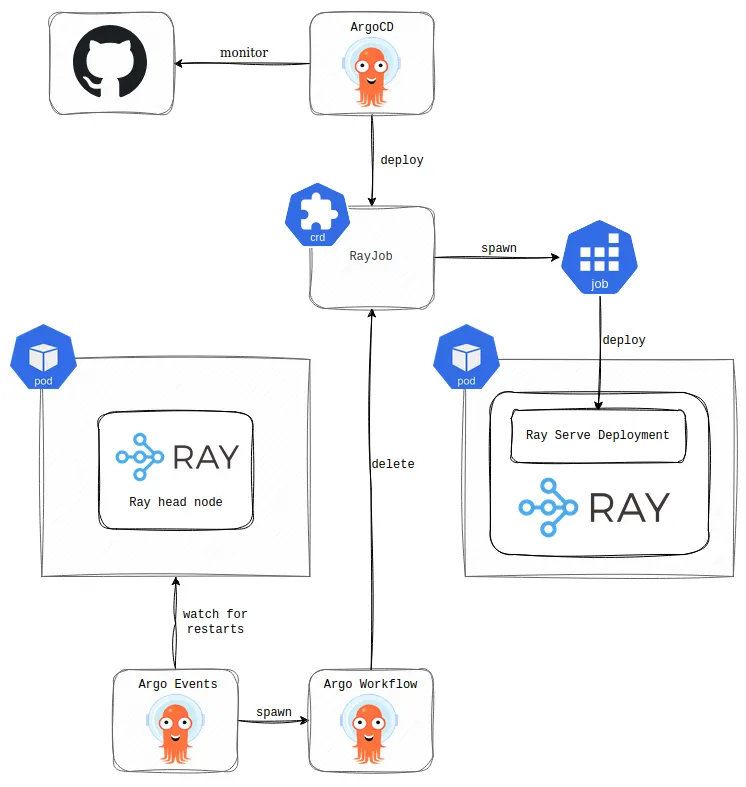
How we lifted and shifted Mixedbread's Ray-based AI workloads onto multi-cloud Kubernetes with the KubeRay Operator — and the head-node fragility we had to engineer around with ArgoCD, Argo Events, and Argo Workflows.
Setting up AWS SSO with Google Workspace turned into a deep troubleshooting rabbit hole — until an aging, distant IAM Identity Center turned out to be the surprising culprit.
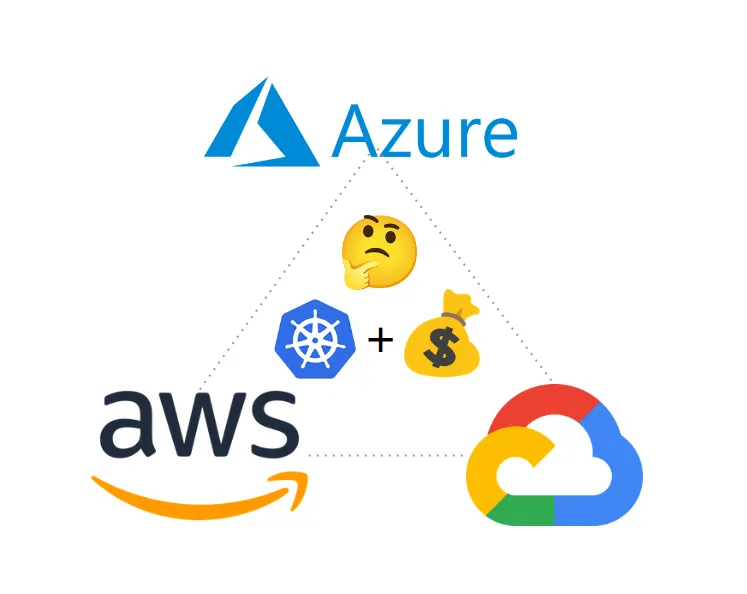
We measured the network traffic of multi-cloud Kubernetes clusters with Wireshark and did the math on egress fees — here's what cross-cloud worker nodes actually cost you.
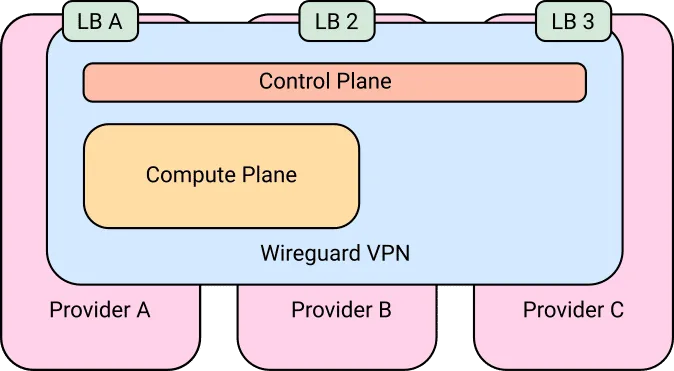
Managed Kubernetes usually ties you to a single cloud vendor. Here's the architecture we use at Berops to run truly cloud-agnostic, multi-cloud clusters — without long-term lock-in.
Building a Kubernetes learning platform meant solving multi-tenancy: isolation, security, and resource fairness. Here's why I tried vCluster, abandoned it despite its brilliance, and landed on Kubevirt virtualization.
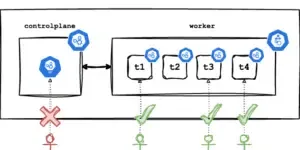
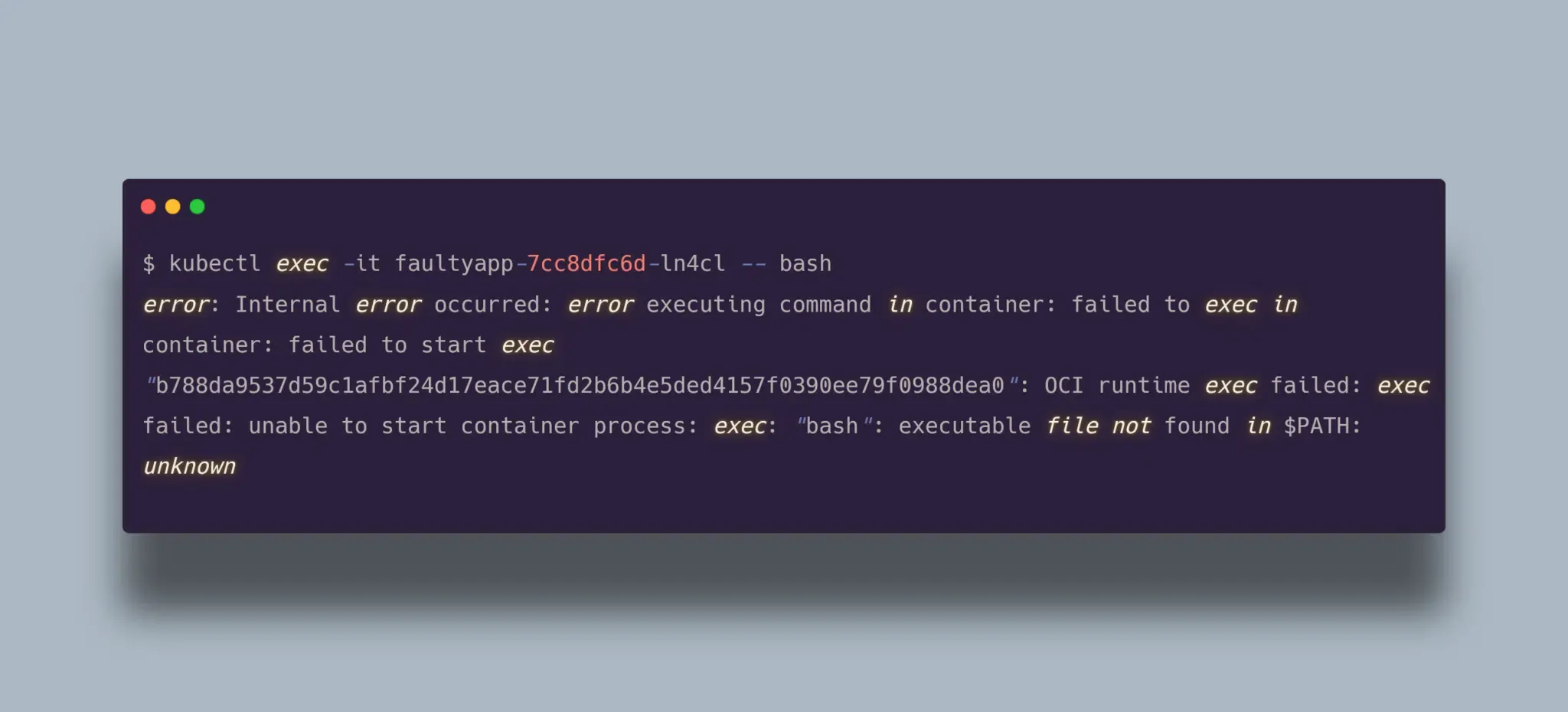
When your container is a scratch image with no shell and no tools, kubectl exec gets you nowhere. Here's how to debug a running Pod from the node itself — via cgroups, namespaces, strace, and nsenter.
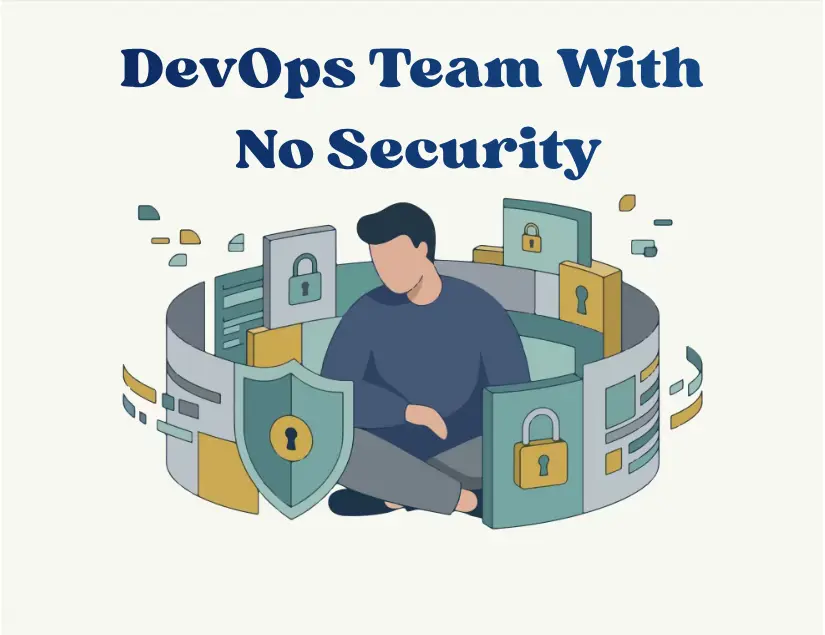
An interview question — "you join a DevOps team with no security; what's your first step?" — sparked this take on why DevOps is already security-conscious, where it goes wrong, and how to fix a broken security culture.
We benchmarked Linkerd mTLS, WireGuard VPN, and Cilium IPsec on a hybrid Kubernetes cluster to see which encryption method costs you the most in latency, throughput, and CPU.